Every industry has its specific requirements, and dental practice interiors come with their own very particular demands. Fortunately, this is no problem for Luyten Interiolizers – which entered this market about ten years ago. “We’ve gained so much experience by now that we’ve completely mastered this discipline,” says CEO Bert Luyten.

“About ten years ago, we first ventured into the fascinating world of dental practices, and after COVID it really picked up speed,” says Bert Luyten. “Since then, we’ve completed around fifteen practices, from large to small. From scratch: from structural adjustments to the dental technologies, which are often extremely complex.”
Afraid of the Dentist
Bert notes that dental practices today must meet different standards than they did ten years ago. “In the past, dental practices were clinical,” he explains, “but now more emphasis is placed on the experience. It should feel welcoming; people want to feel comfortable, like in a lounge. That’s where we come in. Or, to put it another way: with our designs, we ensure that people no longer have to be afraid of the dentist. (laughs) I say it jokingly, but there’s some truth to it. It’s always a challenge for us to capture the right atmosphere, but we’ve completely mastered this discipline. I can say without hesitation: dental practices – that’s what we’re good at.”
Remarkable
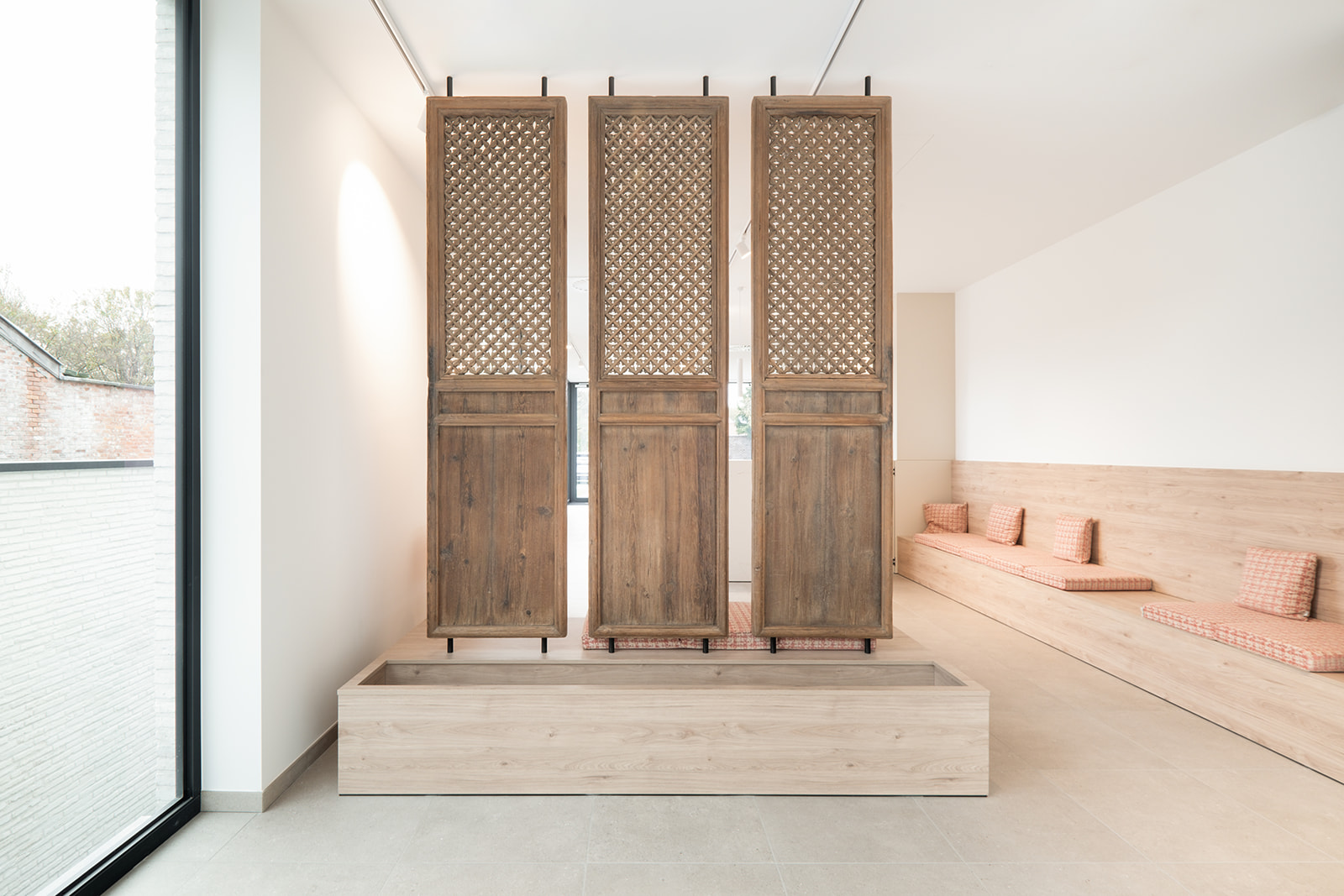
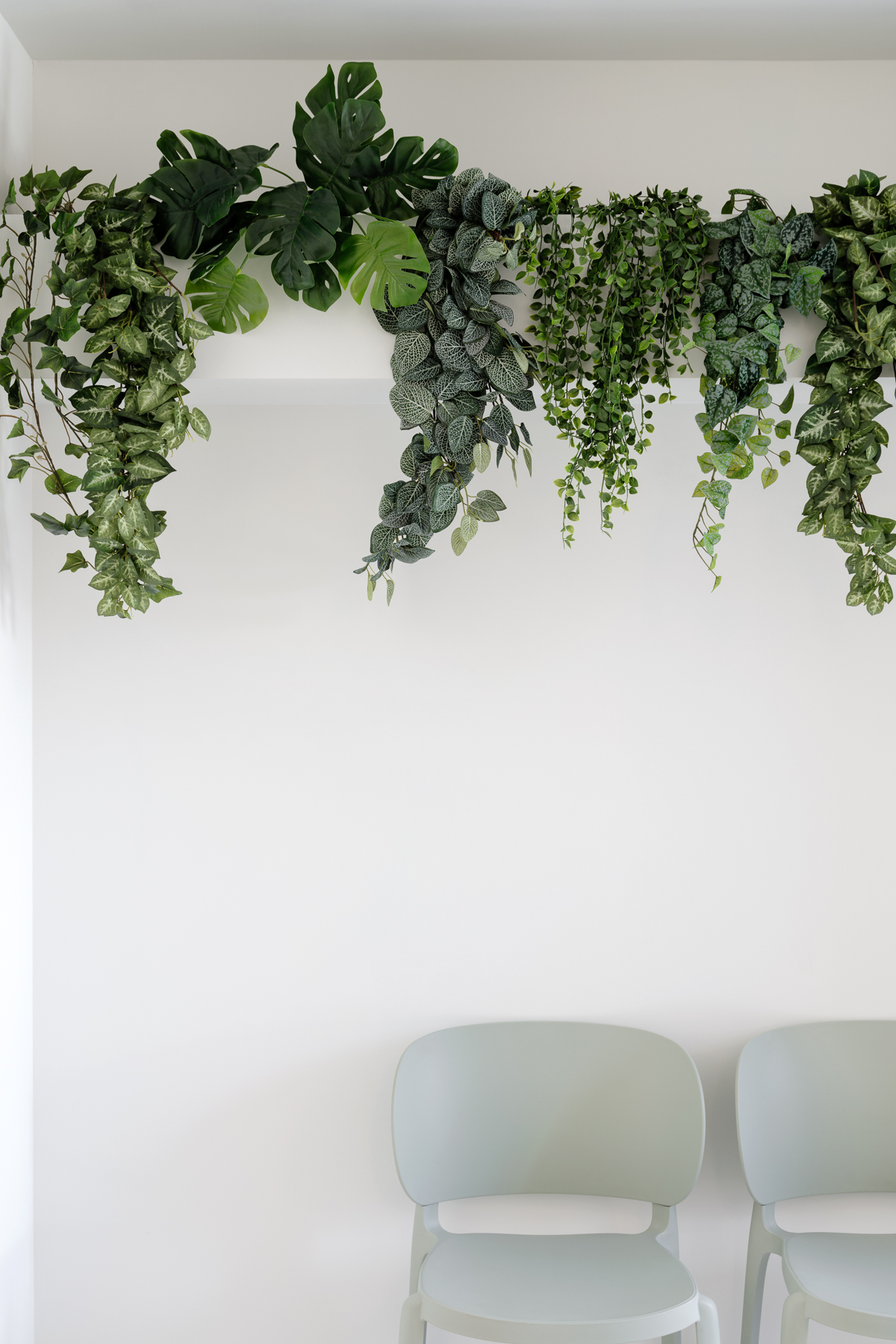
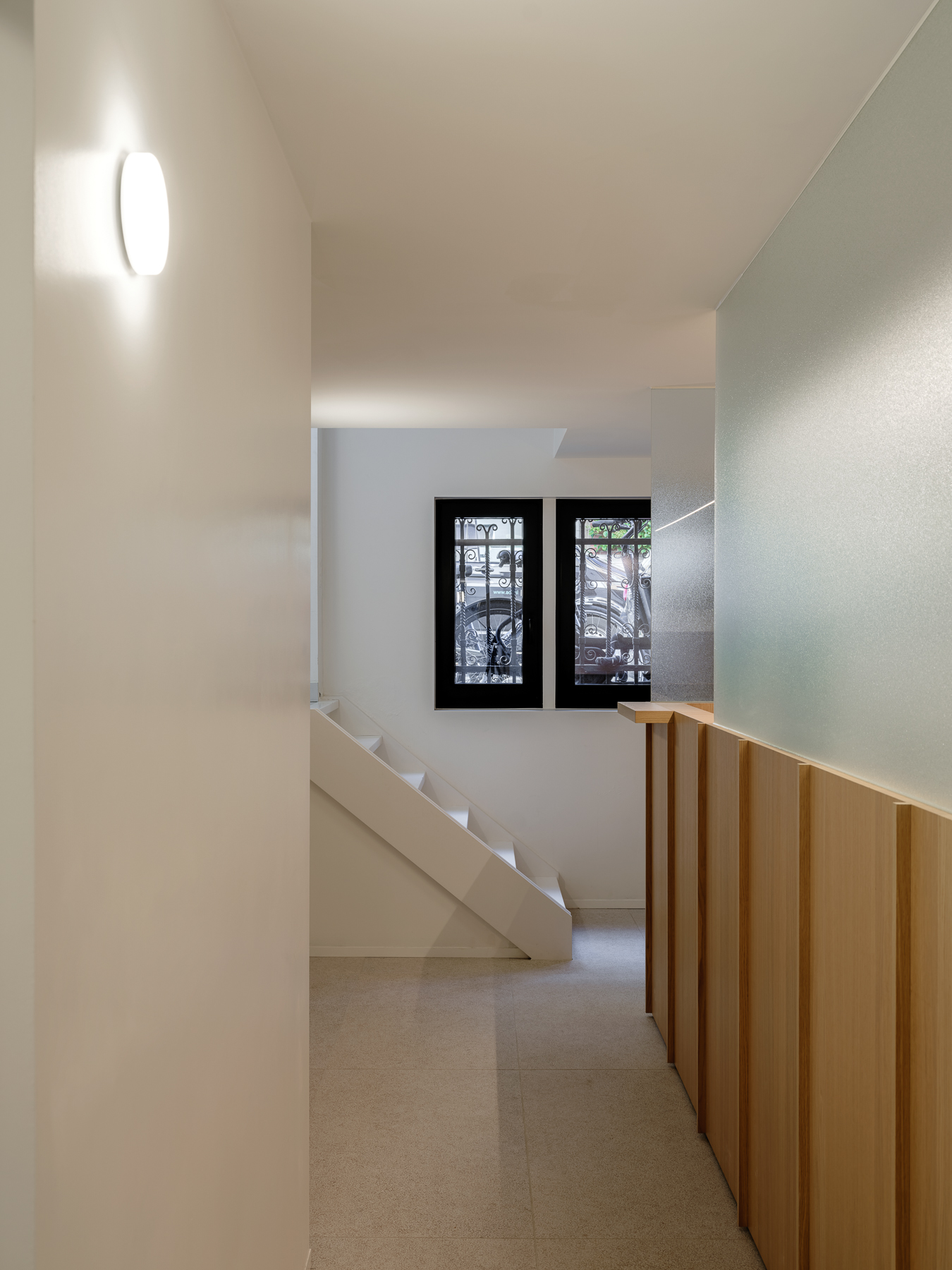
No empty words, as the Kempeneers practice in Berchem and Kies-Keurig in Sint-Gillis-Waas show. The sleek, calming interiors demonstrate craftsmanship and attention to detail. To achieve such results, Luyten Interiolizers engages in a wide variety of collaborations, such as with Studio Tolleneer, an interior architecture firm in Antwerp. “We pretty much rolled into this world together with Luyten,” says Laura Tolleneer. “We’ve found that techniques we normally use in private homes and retail spaces can be applied in dental practices. For example, a reception desk we would normally place in a notary office or coffee bar can, in a remarkable way, work perfectly in a dental practice. As Bert Luyten says: the days of clinical-looking practices are over. Take the waiting rooms: dentists no longer want them to look the way they used to. They prefer the waiting area to feel pleasant and homely. That requires us to use materials that are both beautiful and easy to maintain.”
Aesthetic & Practical
“One of our strengths is that we never do copy-paste, so every project has its own identity,” Tolleneer adds. “No two dental practices we design look alike. And we pay attention not only to aesthetics but also to practicality: we carefully consider things like customer flow and the usability of elements in the interior. With all the experience we’ve gained, we now know better than most how to layout a practice to respect client privacy. For example, it’s rarely a good idea for the waiting area to be too close to the reception desk, as waiting clients might overhear conversations. As for working with Luyten: we had previously joined forces on retail projects. That’s a real advantage, because in retail you’re expected to meet strict deadlines. Luyten has never had a problem with that, and dentists now benefit from it. And then there’s the incredible attention to detail at Luyten: there’s very little they can’t handle.”
Flexible Approach
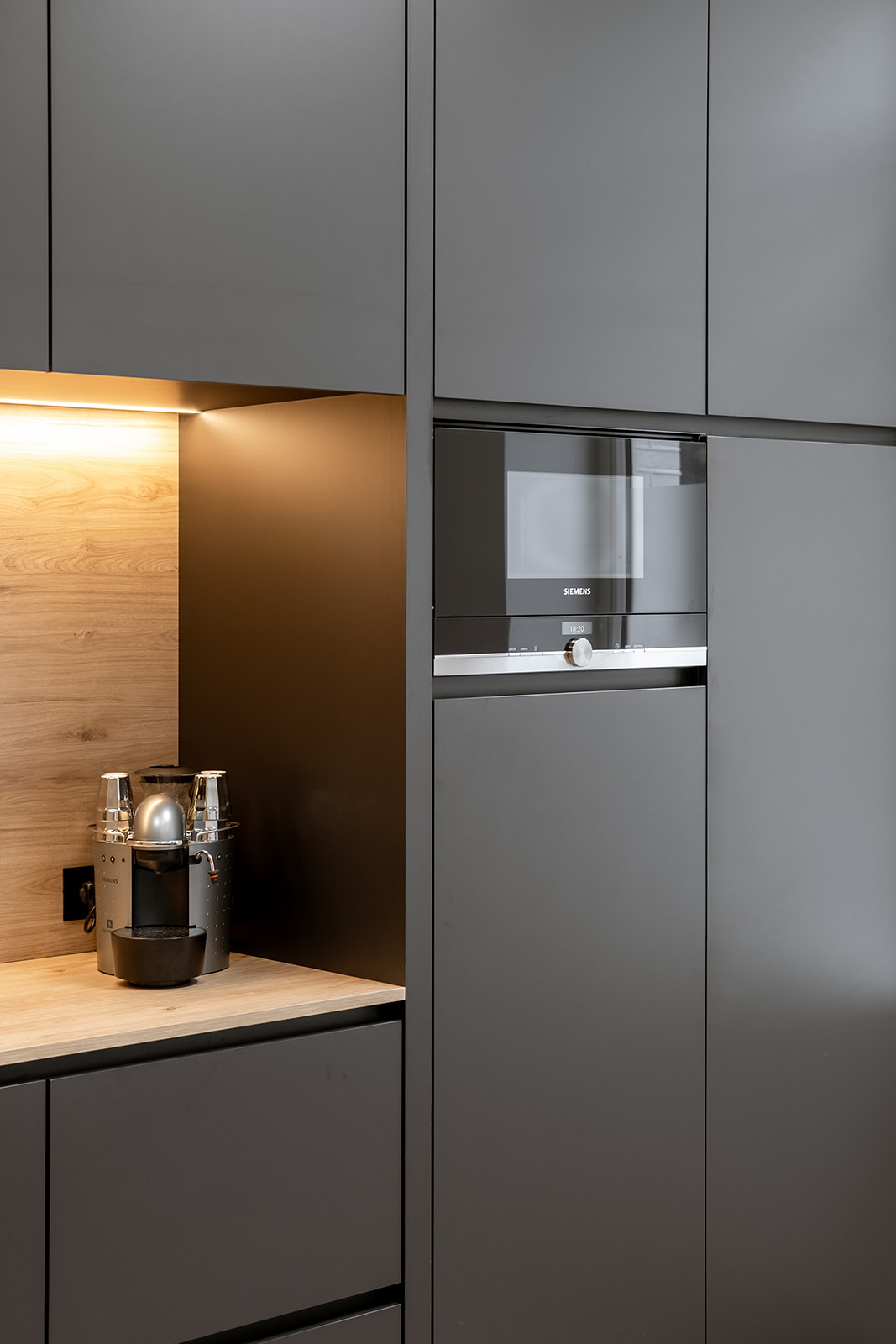
“If Bert Luyten and Laura Tolleneer say that dental practices are built differently today than in the past, I can confirm it,” says Renaat Lowette of Kerckaert Dental Equipment, the company in Lokeren specializing in dental machinery and supplies. “Nowadays, you rarely find dentists working alone; they are mostly group practices. That requires a different approach, with smaller treatment rooms and a centralized storage area, whereas in the past everything was stored in the individual rooms. There are also specific technical requirements, with all those special inserts that must be built into the furniture. Specific requirements naturally demand a flexible approach from the contractor, and Luyten Interiolizers excels in this.”